
Staring at that dark corner in your living room and wondering why it feels like a cave? You’re not alone. Many struggle with rooms that just won’t brighten up, no matter how many lamps they add. The secret isn’t always about adding more light fixtures. Sometimes, the right neutral paint colors can completely transform a space from dreary to delightful.
Here’s the thing about paint. It’s one of those home improvements that seems simple until you’re standing in the paint aisle at the store, overwhelmed by dozens of different shades of white.
Choosing the right neutral tones can actually reflect light better than lighter colors that have the wrong undertones. Let me walk you through 10 shades that consistently work magic in dim spaces.
1. Warm White: The Classic Brightener
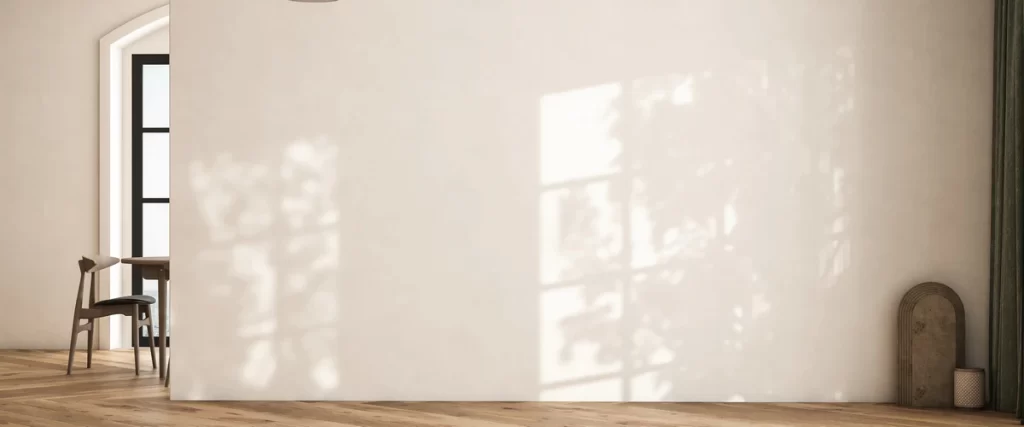
Warm white sits right between pure white and cream. It works beautifully in rooms with limited natural light because it doesn’t feel stark or cold. Think about how different lighting conditions affect your space throughout the day. A warm white adjusts gracefully from morning sun to evening artificial light.
The beauty here is versatility. You can pair it with nearly any style, from farmhouse to contemporary.
2. Creamy White: Comfort Meets Brightness
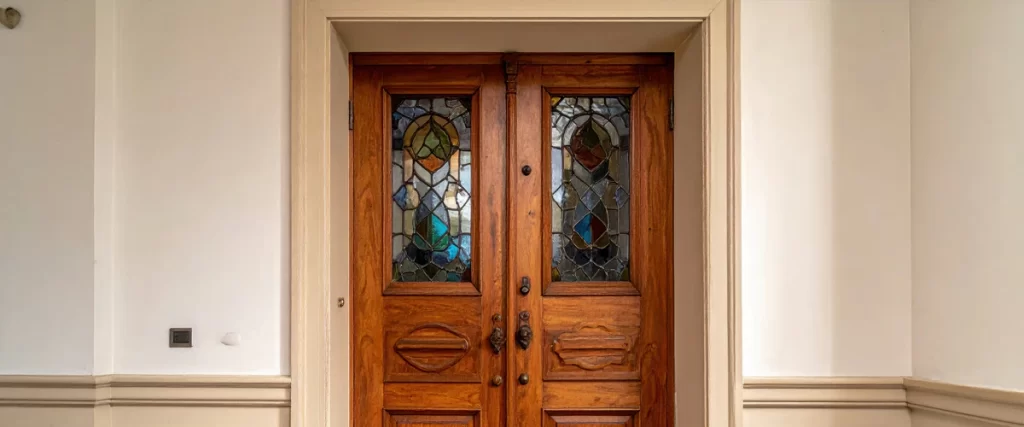
If pure white feels too clinical, creamy white adds just enough warmth to create a cozy, inviting atmosphere without sacrificing light reflection. This shade particularly shines in dining rooms where you want both brightness and a welcoming vibe.
The yellow undertones in creamy white catch natural and artificial light differently, giving your walls added depth as the day progresses. Many homeowners are surprised by how much this subtle warmth can change a room’s entire feel.
3. Soft Gray with Blue Undertones
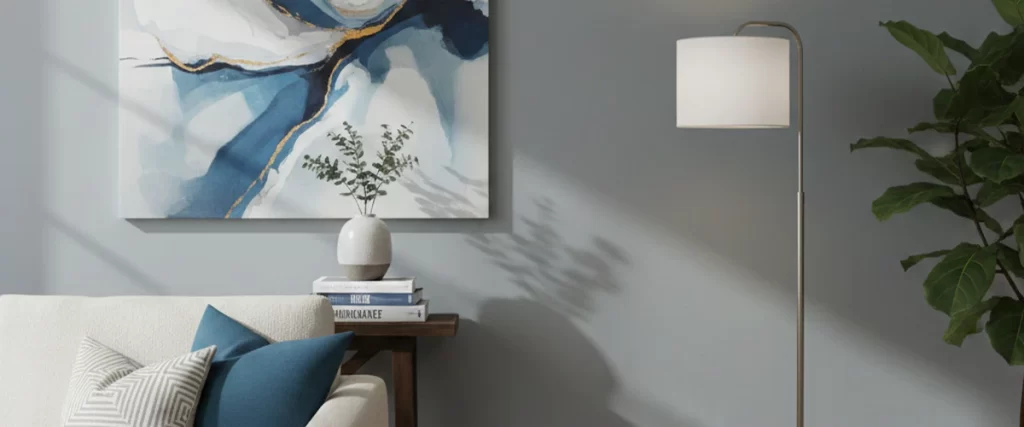
Not all grays are created equal. A soft gray with blue undertones can actually brighten a room more effectively than some whites. The cool tones reflect light beautifully while creating an airy feel that makes spaces seem larger.
This works especially well in modern homes. Just make sure to test it in your actual lighting conditions before committing, since blue undertones can shift between warm and cool depending on your windows’ direction.
4. Greige: The Perfect Middle Ground
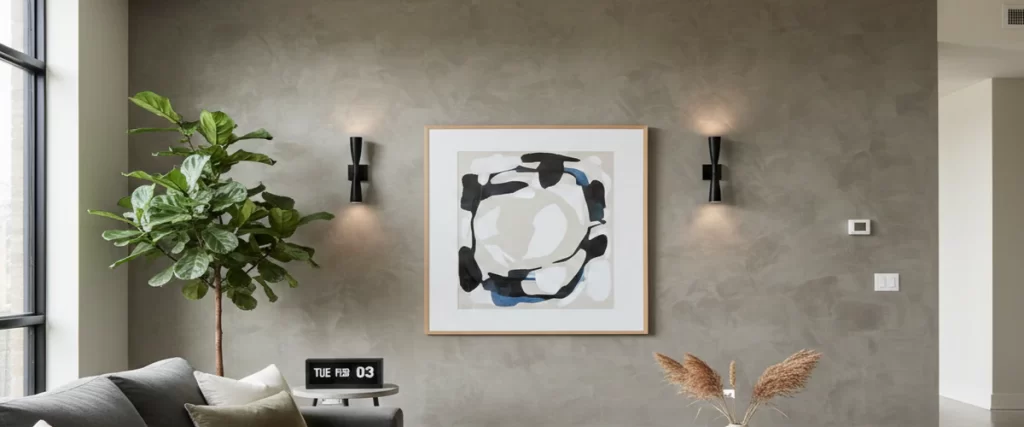
Greige combines gray and beige into one sophisticated shade. It’s become incredibly popular because it offers the best of warm neutrals and cool tones simultaneously. Your room gets brightness without feeling cold, warmth without looking dated.
Interior designers love this color because it creates a neutral backdrop that works with virtually any accent color you throw at it.
5. Pale Taupe: Subtle and Sophisticated
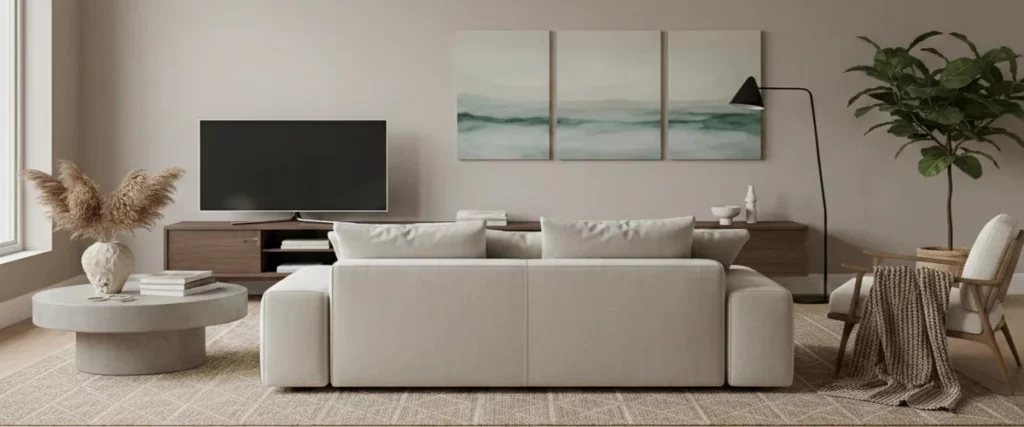
Taupe can sometimes get overlooked, but a pale shade can transform a dark room into something special. The brown undertones add gentle warmth, while the lighter value ensures ample light reflection. It’s particularly great for bedrooms where you want calm but not coldness.
6. Soft Blue: Surprisingly Bright
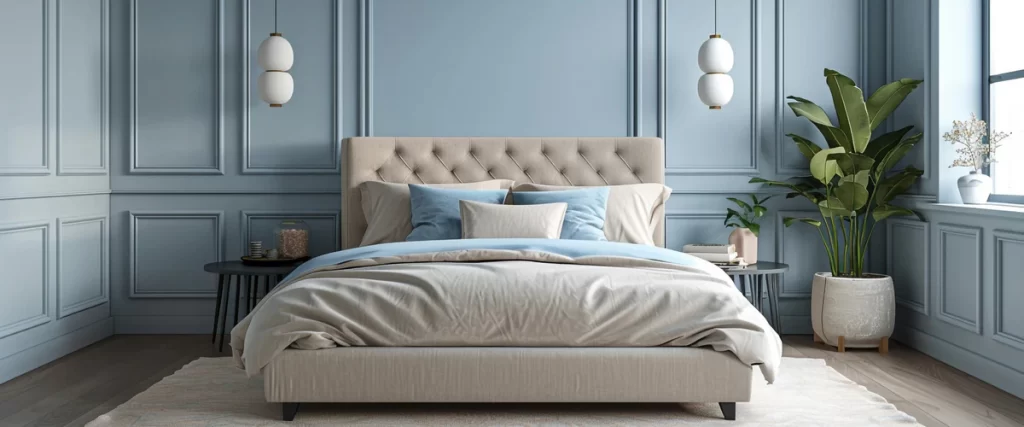
Wait, blue for brightness? Absolutely. A very soft blue, almost white, with just a hint of sky, can make small rooms feel twice their size.
The cool undertones trick the eye into perceiving more space and more light. This shade works beautifully in bathrooms or home offices where you want a fresh, airy atmosphere.
7. Light Beige: Traditional Warmth

Beige gets a bad rap sometimes, but a light beige with golden undertones can brighten spaces while maintaining that comfortable, lived-in feeling. It’s perfect if you’re working with traditional furniture or want your home to feel immediately inviting.
The key is choosing a shade light enough to reflect natural light but warm enough to avoid that builder-beige look from the 90s.
8. Barely-There Green: Fresh and Unexpected
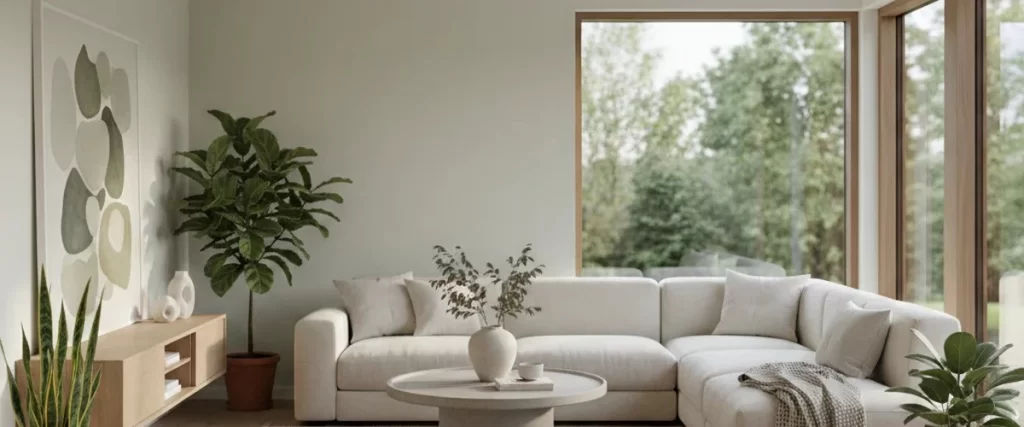
Soft greens, particularly those with lots of white mixed in, create an unexpected brightness. They bring a sense of nature indoors while still reflecting plenty of light. Think of it as bringing the outside in, which always makes a space feel more open and airy.
This works especially well in kitchens or sunrooms where you want energy without overwhelming color.
9. Cool Gray: Modern Crispness
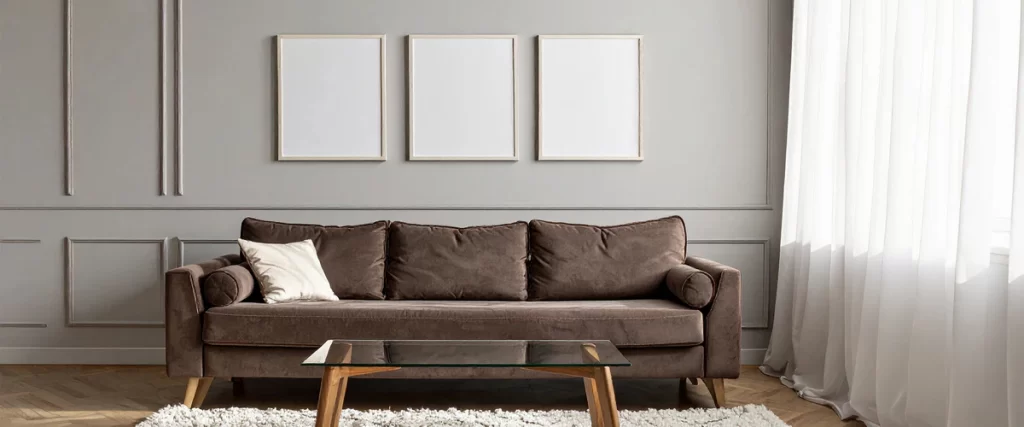
A true cool gray, free of heavy blue or green undertones, gives you a crisp, modern look while enhancing brightness in well-lit rooms.
It’s a great choice for contemporary homes or for a minimalist aesthetic. The neutral tones create clean lines, making everything feel more spacious.
10. Off-White: The Safe Bet
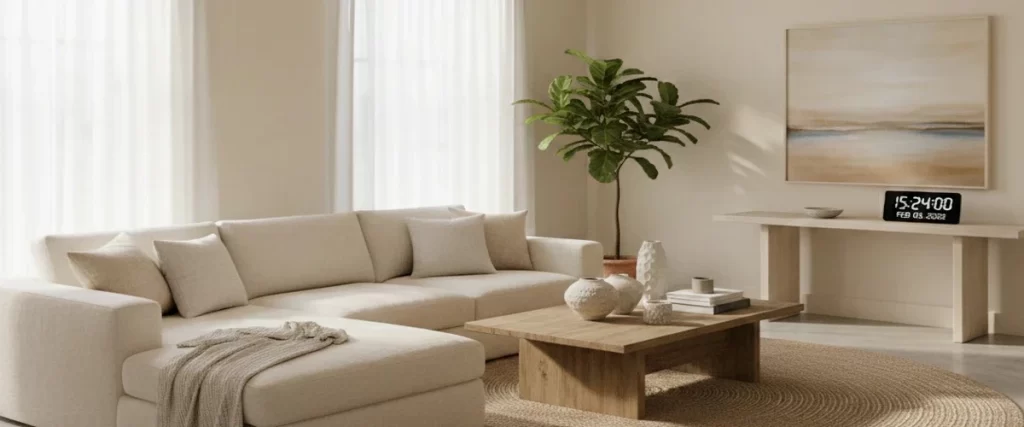
Sometimes the simplest answer is the right one. A quality off-white, slightly warmer than pure white but not quite cream, works in almost any room under different lighting conditions. It’s the Swiss Army knife of neutral paint colors.
Sherwin-Williams and other major paint manufacturers offer dozens of variations on this theme. The trick is finding the one that works with your specific natural light situation.
Making Your Choice
When you’re selecting from these neutral colors, grab samples and test them on your actual walls. Paint large swatches, at least 2 feet by 2 feet, and watch them throughout the day. Morning light shows different qualities than afternoon sun or evening artificial light.
North-facing rooms typically need warmer neutrals to compensate for cooler natural light. South-facing spaces can handle cooler tones without feeling cold. If you’re dealing with little natural light, stick with the warmer end of the neutral spectrum.
Consider your interior painting goals, too. Are you trying to make rooms feel bigger? Go cooler. Want maximum coziness? Choose warm undertones.
Frequently Asked Questions
What’s the best neutral paint color for a room with no windows?
Warm white or creamy white works best for windowless rooms. The warm undertones compensate for the lack of natural light and prevent the space from feeling like a basement, even when it technically is one. Add as much artificial lighting as possible to maximize the paint’s reflective qualities.
Do neutral paint colors make small rooms look bigger?
Yes, especially lighter neutral tones with cool undertones. Soft grays and soft blues with high light reflection create an airy feel that visually expands space. The key is choosing a color with an LRV (Light Reflectance Value) of at least 50.
Should I use the same neutral throughout my whole house?
You can, but it’s not necessary. Many homeowners choose one neutral for the main living areas and adjust slightly for bedrooms or bathrooms. This creates flow while allowing each room its own character. Just keep undertones consistent, either all warm or all cool.
How do I know if a neutral has warm or cool undertones?
Compare it directly to pure white. If it looks slightly yellow, pink, or beige next to white, it’s warm. If it looks slightly blue, green, or gray, it’s cool. Test samples in your actual space, since lighting can change how undertones appear.
Will neutral walls make my room boring?
Not if you add texture and accent colors through furniture, artwork, and decor. Neutral walls create a canvas for your personal style to shine. They’re actually less boring than colored walls because they give you more flexibility to change things up without repainting.
Let Us Handle the Heavy Lifting
Look, picking the perfect neutral paint colors to brighten a room is one thing. Actually preparing your walls, taping everything off, doing two coats evenly, and cleaning up afterward? That’s a whole different story.
New Direction Painting handles all of this so you can focus on the fun part, like choosing new throw pillows to match your freshly brightened space.
Ready to transform those dim spaces into rooms you actually want to spend time in? Call us at (615) 673-5773 or message us here to schedule your consultation. We’ll help you nail down the perfect shade and handle everything from there.