
You just built a new home, and the excitement is real. But take a closer look at those walls. That flat sheen paint might look fine now, but give it a few weeks, and you’ll see why most homeowners end up repainting within the first year.
Painting a new home isn’t always on your radar when you’re focused on furniture placement and decorating. Here’s the thing, though: house builders prioritize speed and cost over quality when they choose wall paint. That fresh paint smell doesn’t mean you got a premium paint job.
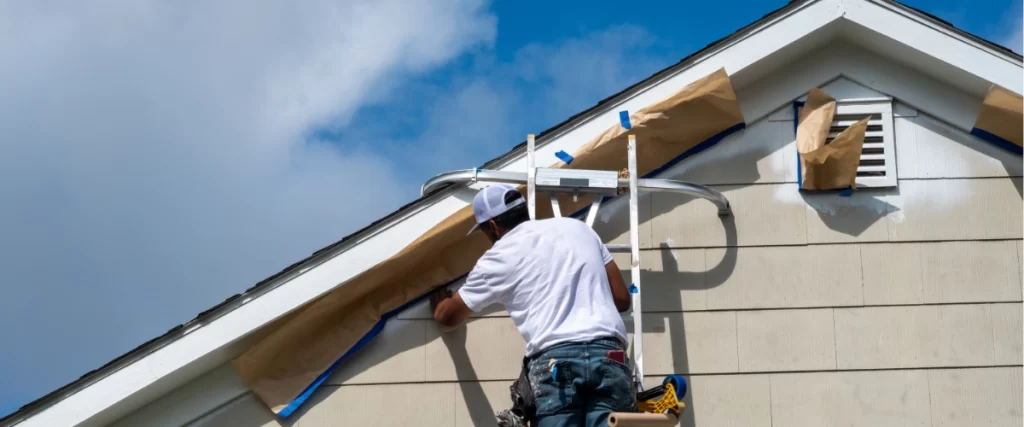
The Reality of Builder Grade Paint
Most construction homes get the absolute minimum when it comes to paint quality. We’re talking flat paint on every wall, which looks smooth initially but can’t handle basic cleaning. One wipe with a damp cloth, and you’ve got a shiny streak that won’t go away.
Builders typically apply just one coat over new drywall, sometimes two if you’re lucky. They’re working with tight budgets and even tighter deadlines. The paint finish they chose reflects that reality.
If you’re thinking about selling your new construction home within a few years, those builder-grade walls might cost you more than you think. Buyers notice scuff marks, shiny spots from cleaning attempts, and that cheap flat finish. They see it as deferred maintenance.
Why Builder Grade Paint Fails Fast
The low-quality paint builders use isn’t designed for durability. Flat walls with a flat sheen look great in an empty house, but they can’t withstand everyday wear and tear. You can’t wipe down marks without leaving a shiny spot. Every touch leaves a trace.
Here’s what you’re dealing with:
- Zero washability, making touch-ups nearly impossible
- Thin coverage that shows every imperfection
- Poor adhesion that leads to peeling around light switches and trim
- Limited color options, usually just basic beige or gray
According to the Consumer Product Safety Commission, proper ventilation during painting is important, as is choosing paint that won’t require frequent reapplication. Builder-grade options rarely meet long-term quality standards.
Wait Before You Paint Walls
If you’re thinking about repainting right after closing, hold off. New drywall needs time to fully cure and settle. The house itself will shift slightly as it adjusts to temperature changes and settles.
We recommend waiting at least 30 to 60 days before doing any serious painting work. This gives you time to identify all the imperfections that need to be addressed. Plus, you can live in the space and figure out which wall color actually works with your furniture and the natural light.
That said, there’s something to be said for tackling the paint job before you haul in your couch and dining table. If you’ve planned ahead and waited the recommended 30 to 60 days, painting before moving in makes the whole process infinitely easier.
When to Upgrade Your Paint Job
The sweet spot for repainting your new house is usually between six months and a year after moving in. You’ve identified all the problem areas by then. The house has settled. You know which rooms need semi-gloss for easy cleaning and which can handle a different finish.
Start with high-traffic spaces like hallways, kitchens, and kids’ rooms. These areas show wear the fastest and benefit most from washable paint. A proper primer followed by two coats of quality paint makes a massive difference.
You’ll save money in the long run by doing it right once instead of constantly doing touch-ups that never quite match. Square footage matters less than paint quality when you’re budgeting for this project.
The Right Paint Makes Everything Easier
Upgrading from flat paint to a more durable paint finish changes everything. Eggshell or satin sheens give you that smooth finish while staying easy to clean. Semi-gloss works perfectly for trim, doors, and anywhere that gets frequent contact.
Skip the temptation to go with pre-primed walls and call it done. A proper prep process includes filling nail holes, sanding rough spots, and applying a good primer before your first coat.
Professional house painting services handle all this prep work as part of the process. We know which products work best and how to apply paint for maximum durability.
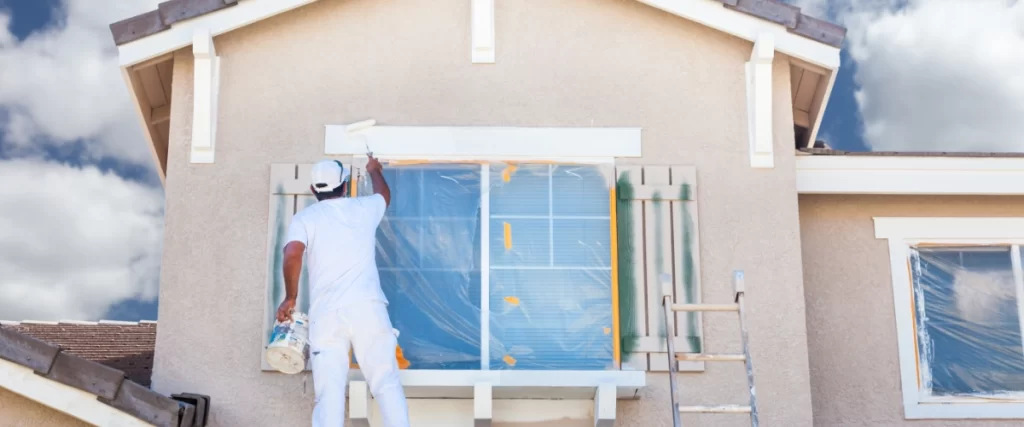
Don’t Rush the Painting Process
Temperature matters more than you might think. Extreme temperatures affect how paint cures and adheres. If your new home was painted during winter or summer extremes, you might see adhesion problems as the seasons change.
The proper prep steps take time, but they’re worth it. Taping off trim, covering furniture and floors, and dealing with dust from sanding aren’t steps you want to skip. Even a small room done right beats a whole house done fast.
Consider doing the work in phases. Start with the main living areas, then move to the bedrooms, saving the spaces you use least for last. This approach spreads the cost and lets you live in your home without everything being torn apart at once.
Exterior Painting Considerations
Your home’s exterior faces even harsher conditions than interior walls due to UV exposure, rain, and temperature swings. Builder-grade exterior paint might last a few years if you’re lucky, but premium products can give you a decade or more of protection.
Most homeowners tackle exterior painting within two to three years of purchase. By then, you’ve seen how the original paint job holds up and where problems develop. Caulking around windows and doors often needs attention well before the paint itself fails.
Making It Cost-Effective
Two coats always beat one when you’re talking about coverage and durability. That final coat seals everything and gives you the color depth and protection you’re paying for. Trying to save time or money with single coat applications just means you’ll be back doing it again.
Quality matters with every part of the job: good brushes, proper tape, and the right primer for your specific walls. These details add up to a beautiful, lasting finish. Your space deserves better than the bare minimum the builder provided.

Frequently Asked Questions
How long should I wait before painting my new construction home?
Wait at least 30 to 60 days after closing. This gives the drywall time to cure completely and lets the house settle. You’ll spot hairline cracks and other issues that need fixing before you paint over them.
Is builder-grade paint really that bad?
It’s functional but basic. A flat sheen on walls looks nice initially, but is difficult to clean. Most builders use the cheapest option that meets code, which means you’ll want to upgrade for durability and washability.
Can I just paint over builder-grade paint without primer?
You can, but you shouldn’t. A proper primer helps your new paint adhere better and provides a uniform base. This is especially important if you’re changing from flat to a different finish or a darker wall color.
What’s the best paint finish for a new home?
Eggshell or satin works well for most walls, giving you a smooth finish that’s easy to clean. Use semi-gloss on trim, doors, and high-moisture areas like bathrooms. Save flat walls for ceilings where you don’t need washability.
Should I paint before or after moving furniture in?
Paint before if you can. An empty room is so much easier to work in. You won’t have to cover everything, move furniture around, or worry about paint splatters. If that’s not possible, professional painters can work around furniture and protect it.
Let Someone Else Handle the Mess
Look, you could spend your weekends taping, priming, and rolling paint onto walls. Or you could have professionals do it right the first time while you actually enjoy your new house.
If you want walls that look great and stay that way, call us at (615) 673-5773 or message us here. We’ll handle the prep, painting, and cleanup so you can focus on making your new house feel like home.