
Wood Stain vs Paint: Which is Best for Your Project?
If you’re gearing up for a new project and standing in front of a wall of cans at your local hardware store, you might be wondering: should you go with wood stain or paint?
Well, you’ve come to the right place. Here at New Direction Painting, we love helping you make the best choice for your projects.
So, let’s dive in and explore the world of wood stain and paint!
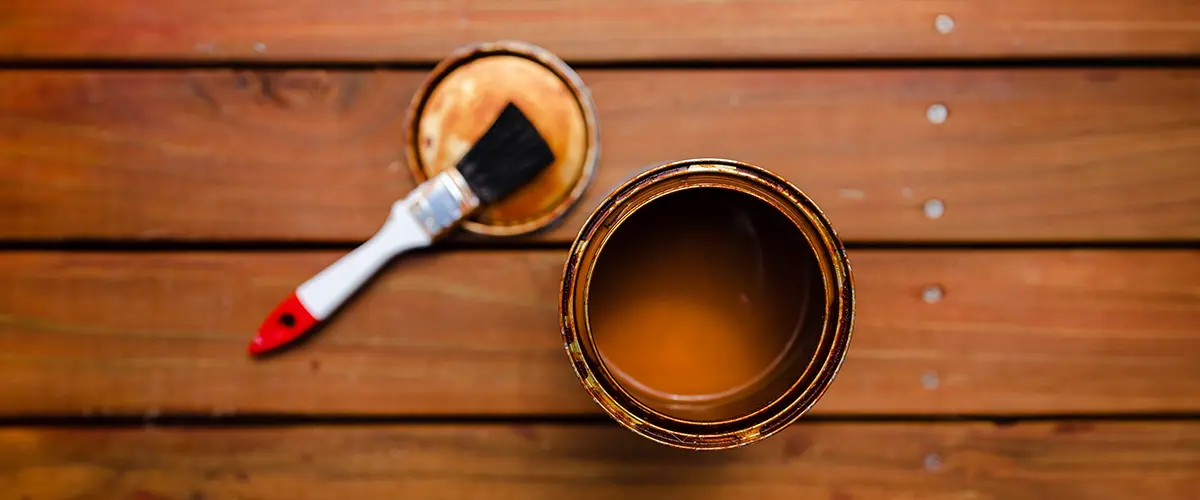
Understanding Wood Stain
Types of Wood Stain
- Oil-Based Stain - This is the classic choice. It soaks deep into the wood, providing a rich, long-lasting finish. Plus, it's great for high-traffic areas because it’s super durable.
- Water-Based Stain - A more eco-friendly option, water-based stains dry quickly and have less odor. They’re perfect if you’re working indoors or in a well-ventilated space.
- Gel Stain - Think of gel stain as the thick, spreadable cousin of the other stains. It’s great for vertical surfaces or projects where you want a more controlled application.
Perks of Using Stain
One of the biggest advantages of using stain is that it brings out the natural beauty of the wood. You can still see all those lovely patterns and textures. Stain also tends to be more forgiving than paint when it comes to chips and scratches.
And, let’s not forget, it often requires less prep work. You don’t usually need a primer, and it’s easier to touch up if you need to.
Cons of Wood Stain
While wood stain has many benefits, it does come with its share of drawbacks. One of the primary cons is its limited color palette compared to paint. If you’re aiming for a vibrant or unconventional color, stain might not meet your needs.
Wood stain tends to provide less protection against moisture and UV damage unless sealed properly. Over time, this can lead to fading or weathering, especially for outdoor projects.
Achieving a uniform look can be tricky, as the natural grain of the wood can lead to uneven absorption of the stain, requiring multiple coats to get the desired effect.
| Pros | Cons |
|---|---|
| Enhances natural wood grain and texture | Limited color options |
| Penetrates wood for a rich, natural finish | Less protective than paint |
| Generally easier to apply with minimal prep work | Can fade over time if not properly sealed |
| Hides minor scratches and chips well | May require multiple coats for desired depth |
| Less likely to peel or chip than paint | Oil-based stains require solvents for cleanup |
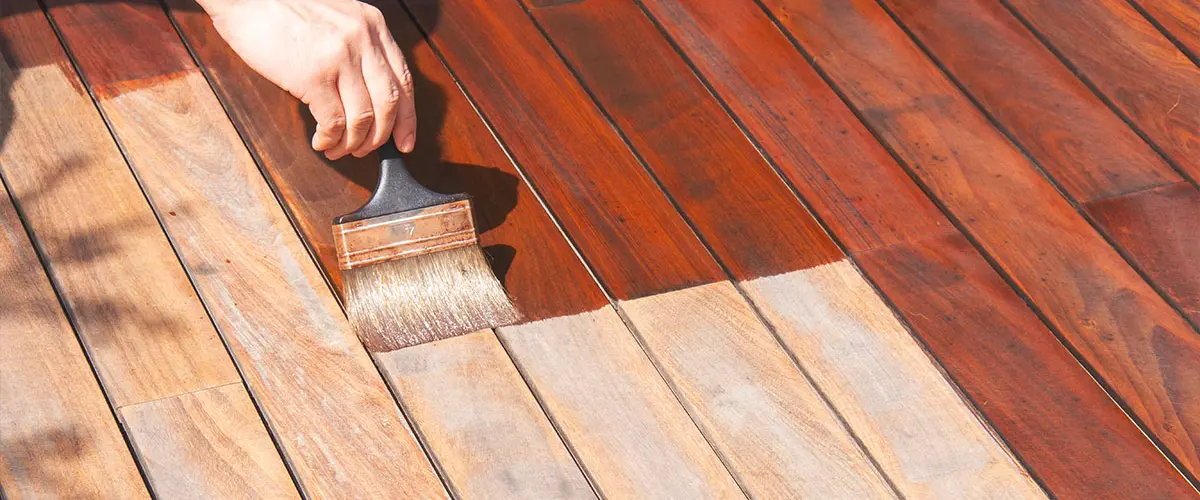
What About Paint?
Types of Paint
- Latex Paint - This water-based paint is the most popular for DIY projects. It’s easy to clean up with soap and water and has a low odor. It’s also quite durable and available in a wide range of colors. Out of all the paints available, latex emits the lowest amount of volatile organic compounds, making it safer for indoor use.
- Oil-Based Paint - Known for its smooth, hard finish, oil-based paint is super durable but takes longer to dry. Cleanup requires mineral spirits or paint thinner, which can be a bit of a hassle.
- Chalk Paint - If you’re going for a shabby chic or vintage look, chalk paint is your go-to. It’s easy to distress for that worn-in look and doesn’t require much prep work.
Benefits of Painting
The biggest perk of painting wood is the endless color possibilities. Whether you want a bold, vibrant hue or a soft, pastel shade, paint gives you the freedom to choose exactly the look you want.
Paint also provides a protective layer, which can help protect the wood from moisture and damage.
Cons of Paint
On the flip side, while paint offers a plethora of color options and a smooth finish, it also has its disadvantages. Painting wood completely covers the natural grain and texture, which might be a dealbreaker if you love the look of wood.
Paint generally requires more prep work, including sanding and priming, to ensure a durable finish. If not applied correctly, paint can chip, peel, or crack over time, leading to frequent touch-ups or a complete redo.
Oil-based paints, while durable, require solvents for cleanup, which can be messy and less environmentally friendly.
| Pros | Cons |
|---|---|
| Wide range of colors and finishes | Covers natural wood grain and texture |
| Provides a protective layer against moisture and damage | Requires more prep work, including priming |
| Durable and long-lasting with proper application | Can chip or peel if not applied correctly |
| Easy to clean and maintain, especially latex paint | Oil-based paints require solvents for cleanup |
| Can transform the look of a surface completely | May require multiple coats for full coverage |
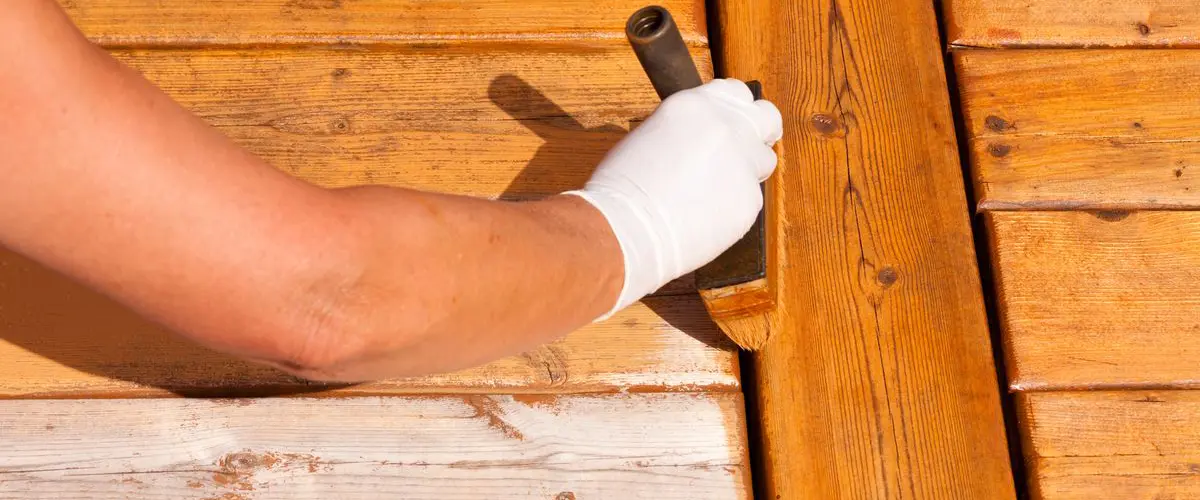
Tips for Maintenance: Keeping Your Wood Stain and Paint Looking Great
Maintenance Tips for Wood Stain
- Regular Cleaning: Keep your stained surfaces clean by dusting them regularly with a soft cloth. For deeper cleaning, use a mild soap and water solution. Avoid harsh chemicals that can strip the stain.
- Protective Sealant: If your stained wood is outdoors or in a high-traffic area, apply a protective sealant every couple of years to prevent fading and damage from moisture or UV rays.
- Touch-Ups: For minor scratches or worn areas, lightly sand the surface and reapply the stain. Follow up with a fresh coat of sealant to blend everything together.
- Avoid Moisture: Keep stained wood away from excessive moisture. Use coasters for drinks and clean up spills immediately to prevent water damage.
- UV Protection: For outdoor stained wood, consider using a UV-resistant topcoat to help prevent the stain from fading in direct sunlight.
Maintenance Tips for Painted Wood
- Regular Cleaning: Dust painted surfaces regularly and clean them with a damp cloth and mild detergent. Avoid abrasive cleaners that can scratch the paint.
- Touch-Up Paint: Keep a small amount of the original paint on hand for touch-ups. For minor chips and scratches, lightly sand the area and apply the touch-up paint to keep the surface looking fresh.
- Repainting: Over time, paint can fade or become damaged. Plan to repaint your wood surfaces every 5-7 years or sooner if you notice significant wear and tear.
- Avoid Scratches: Protect painted surfaces from scratches by using felt pads under furniture and being mindful when moving objects.
- Moisture Control: Just like with stained wood, keep painted wood away from excessive moisture. Ensure proper ventilation in areas prone to humidity, such as bathrooms and kitchens.
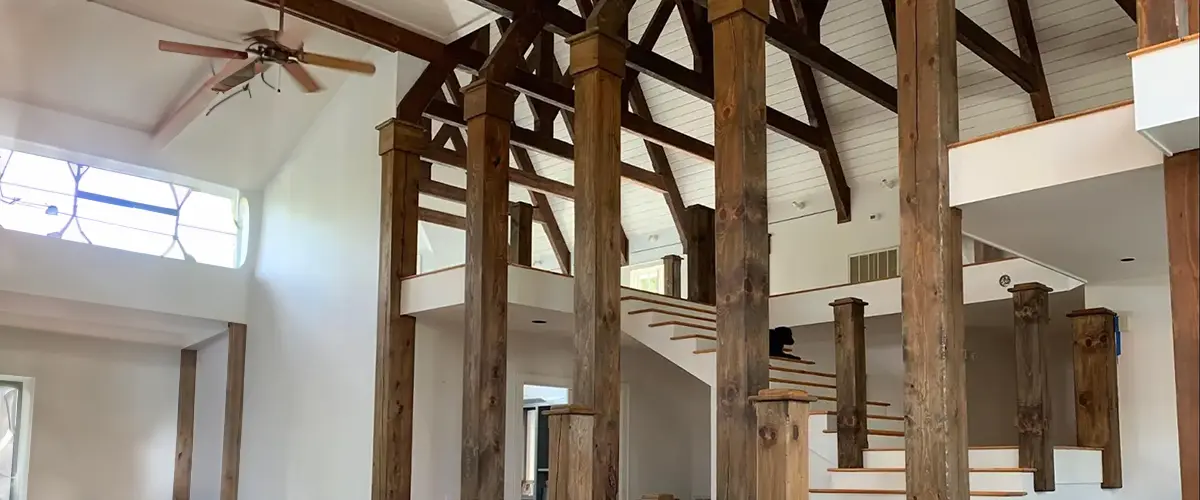
FAQ: wood stain vs paint
Let Our Experts Guide You
Choosing between wood stain and paint depends on your specific needs and the look you’re aiming to achieve. Stain enhances the natural beauty of wood, while paint offers a vast array of colors and a protective layer.
Both have their own sets of pros and cons, and understanding these can help you make the best decision for your project.
Not sure which finish is right for your project? Let the experts at New Direction Painting guide you. With our extensive experience and knowledge, we can help you choose the perfect solution to enhance the beauty and durability of your wood surfaces.
Contact us today to schedule a consultation and take the first step toward transforming your home! (615) 673-5773